

You think crawl space humidity is a one-time fix, but end up realizing it returns the next season again. You put all your efforts into drying and cleaning, but that feels like a waste of time.
The place is smelly again... the faint musty odor creeps back in, and the floors are slightly colder. This undoubtedly generates curiosity, making everyone wonder, “Why does it keep coming back? ”
Well, the main reason is that moisture buildup is not just a random household problem. Influenced by environmental factors like airflow patterns and hidden moisture sources, it jumps back.
Until the patterns are interrupted, the cycle keeps repeating. That is why the standard solution often fails to prevent it from coming back.
Keep reading to explore why it happens and what to do about it!
What Makes Humidity Circle Season After Season? 3 Reasons

Well, there can be many reasons why crawl space moisture keeps coming back. And here are a few of them:
#1. Seasonal Air Changes Are Constantly Rewriting the Problem
Crawl spaces are located between the ground and the living areas, making them highly sensitive to outdoor temperature changes.
During summer, warm air enters these cooler areas, creating temperature differences that lead to moisture buildup.
Mold can begin growing on damp surfaces within 24–48 hours under ideal moisture conditions.
This is especially common in laundry rooms, basements, and other congested areas.
Moisture trapped inside lingers during winter and eventually accumulates in materials such as insulation or wood.
Hence, causing the underfloor dampness to return every season, even after you have tried to fix it.
#2. Moisture Doesn't Only Come from Outside Air
Many people assume that humidity only enters through ventilation or open gaps. But that’s not always the case.
Instead, moisture can also rise to a great extent through the ground. Soil can release vapor upwards, even if the water leakage is not visible.
These vapors, with time, collect and enclose these kinds of spaces.
No doubt, it is a very common problem as people ignore the need for a reliable moisture control system.
3. Mold Thrives in the “Invisible Zone” of Your Home
At first, molds are not visible. They grow in silence by anchoring in insulation, hidden corners, and wooden items.
You might think that cleaning the visible ones is enough, but it's not.
After all, the spores remain dormant in damp conditions. And so, the hidden mold reappears when the moisture rises.
In this situation, people instantly turn to a dehumidifier to control excess moisture before the problem arises.
Still, here’s what they don’t realize: a dehumidifier helps prevent further mold growth—yes. But does it reverse damage that has already been done? Possibly not.
Type of Damage Crawl Space Dampness Causes
1. Changes the Air You Breathe
Seasonal humidity also impacts the air you breathe in your house.
In fact, a study by Purdue University found that everyday household activities and indoor chemical products can generate airborne particles.
In turn, they make indoor air quality significantly worse than outdoor air.
The damp air trapped under your house naturally rises into the living spaces. Hence, making the indoor environment feel heavy and polluted.
Over time, this moisture can create the musty old house smell, which negatively affects mood and health.
2. Weakens the Material Over Time
Wooden material can be damaged greatly in a crawl space with high humidity.
Because it can easily lead to softening of wood items, warping, and even structural fatigue—creating the mess you never imagined.
People often ignore the early signs of damage as they seem minor, apparently.
But guess what? The problem can grow significantly later.
And after some time, it even comes to a point where it becomes super hard to fix and requires a proper plan and procedure.
3. Standard Solutions Often Fail
You might think bringing in a small room dehumidifier will solve the problem.
Though it is an excellent option to prevent future damage, it cannot solve what has already happened.
Yes, it’s effective, and there’s no second opinion on that. But it’s a nice preventive solution, and not designed to get rid of the big molds
So, if you think you can fix everything with just that product, you might be wrong.
Because it will require a different approach to restore the damage, along with a dehumidifier for both prevention and fixes.
4. Ventilation Alone Does Not Work
A few years back, the construction was all about space vents.
But in humid conditions, vents actually cause more damage. They give moisture a way to enter your space.
Due to this, it does not dry the space adequately, and the problem remains there.
Rather, it produces condensation in certain seasons. That means even if you have put all your efforts into the airflow improvement, the moisture can still creep back.
Want to Prevent Future Humidity? Here’s How!
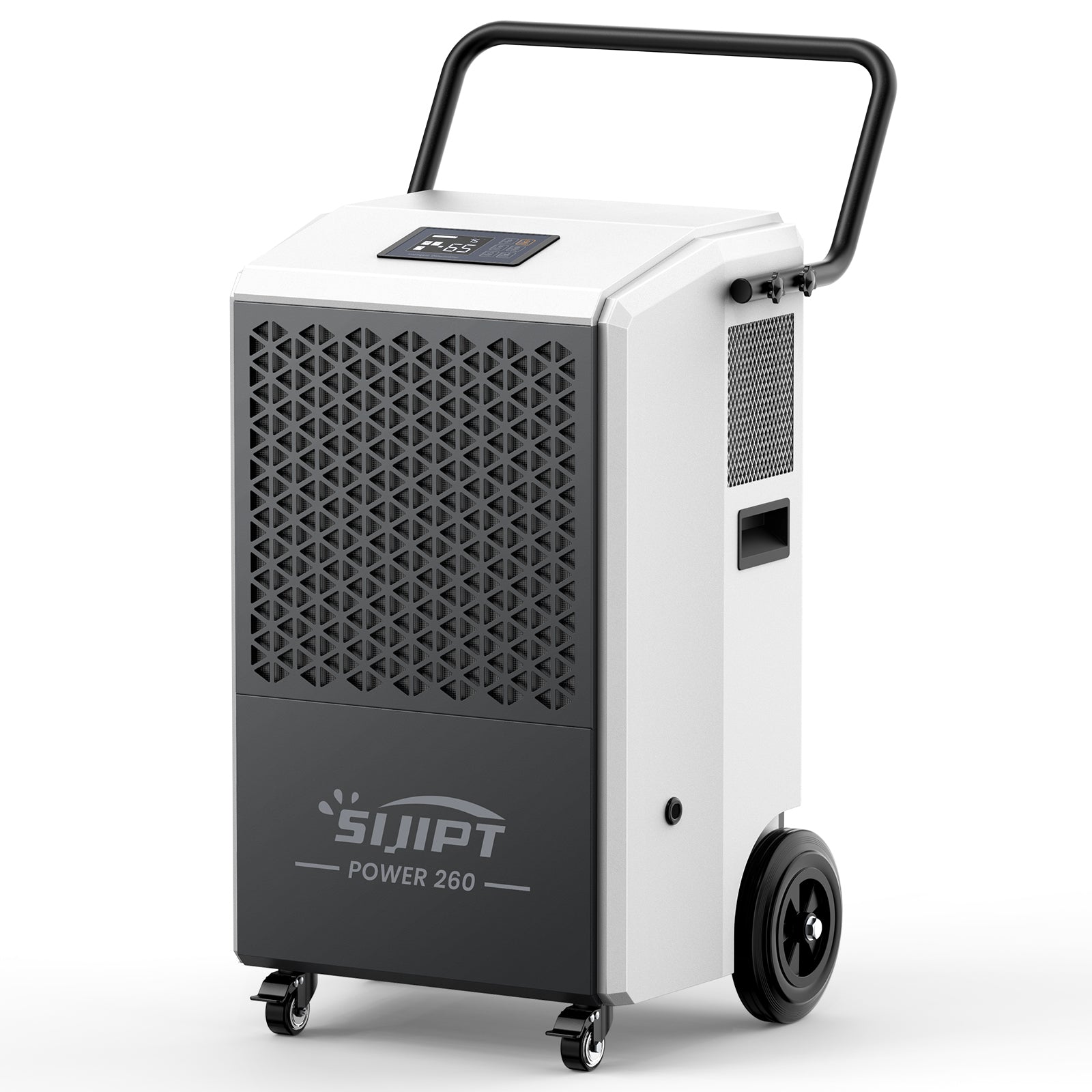
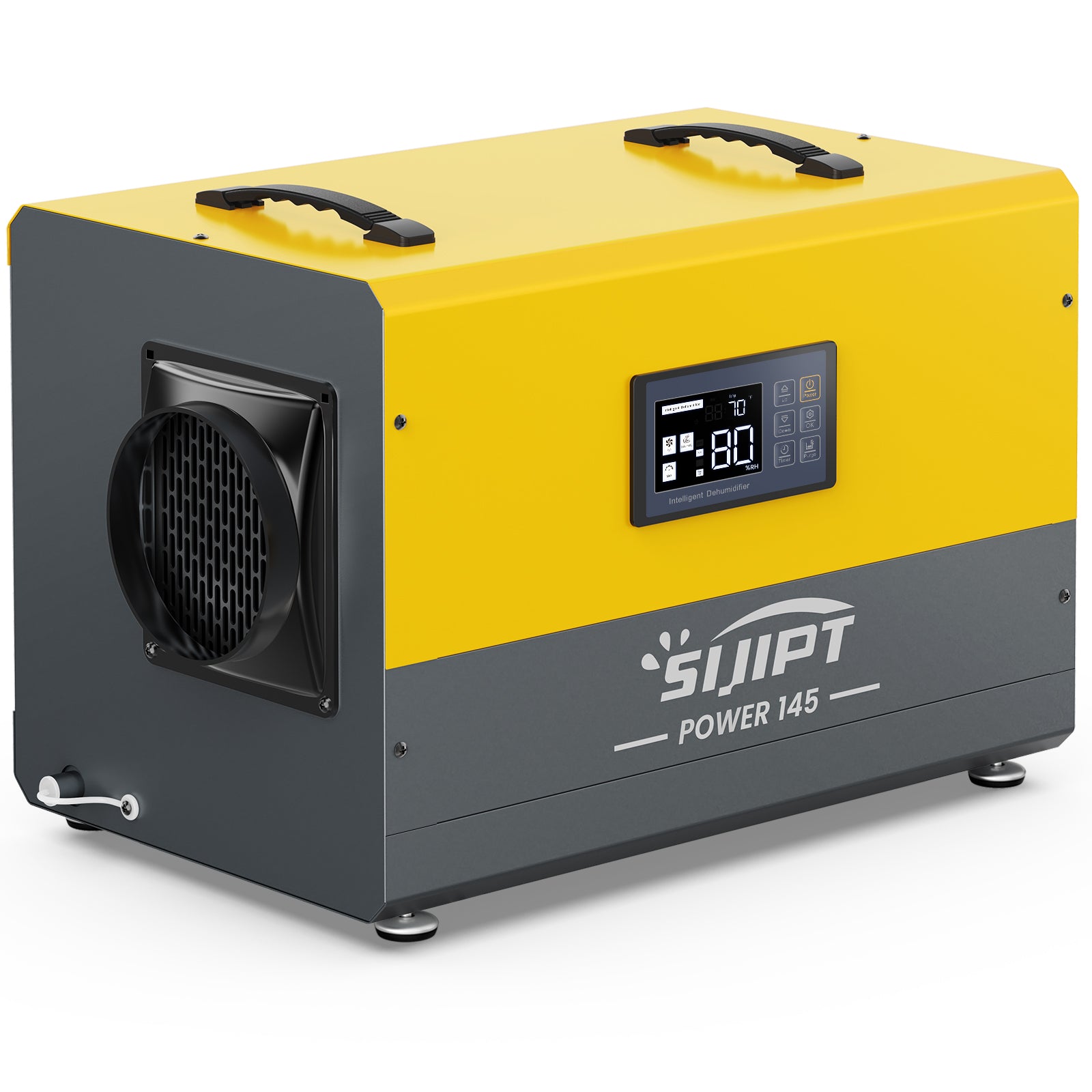
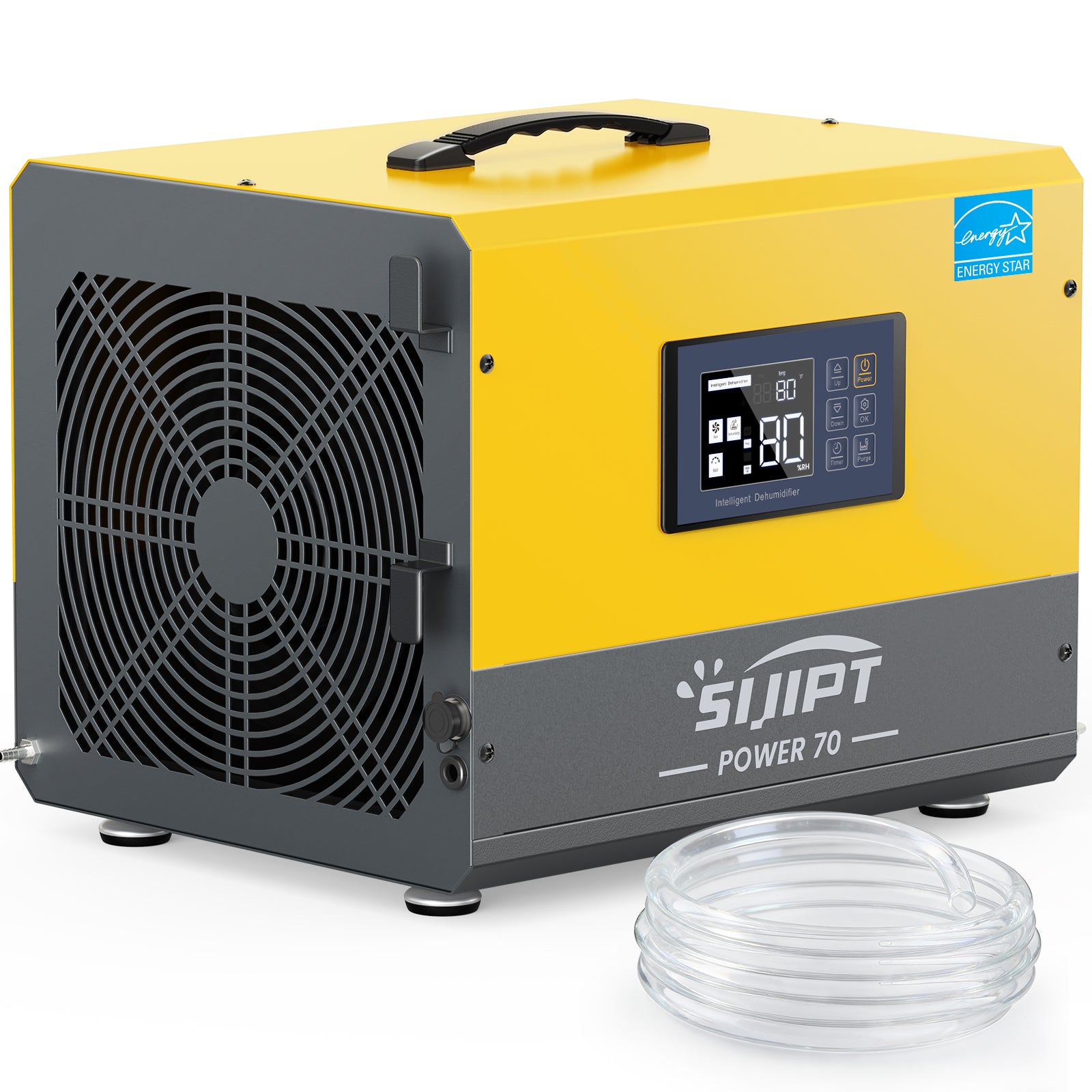
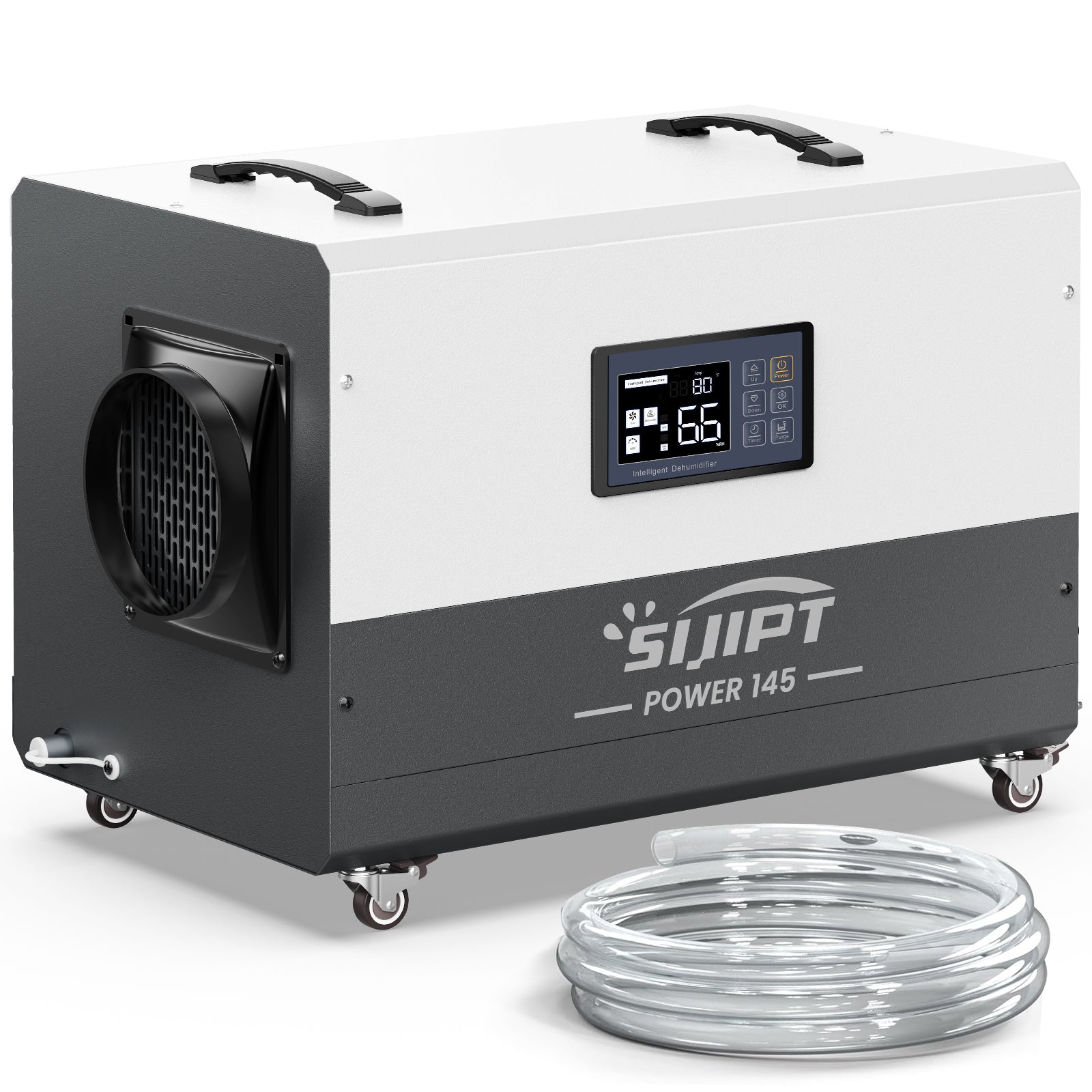
One of the most effective ways to prevent underfloor dampness in the future is by installing a high-quality basement dehumidifier.
It not only removes the excess moisture trapped in the space but also maintains a healthier environment. Yes, that’s right.
And the SIJIPT dehumidifiers are the best in this regard. Known for high durability and effective performance, our brand is widely trusted by many.
After all, all our products help reduce the chances of moisture issues returning, allowing for a more worry-free environment.
Remember, you will still need skilled workers to remove the previous molds.
But how the product helps is maintaining the restoration in the long run, so the moisture problem doesn’t appear in the first place..
Final Words
Excess moisture beneath the home is a widespread issue in households today.
It is not a one-time issue but a recurring cycle that is driven by changes in the temperature and poor airflow control.
• The very first thing to do is bring in skilled workers who will remove the molds.
• Second, take steps to prevent the humidity from taking up space again.
And yes, get yourself a reliable crawlspace dehumidifier to prevent the mold from growing and spreading after restoration.
Because when moisture is controlled at the source, the cycle finally breaks, and crawl space humidity stops bothering you.

