

Frequently Asked Questions
Where Can You Place Sijipt Dehumidifier?
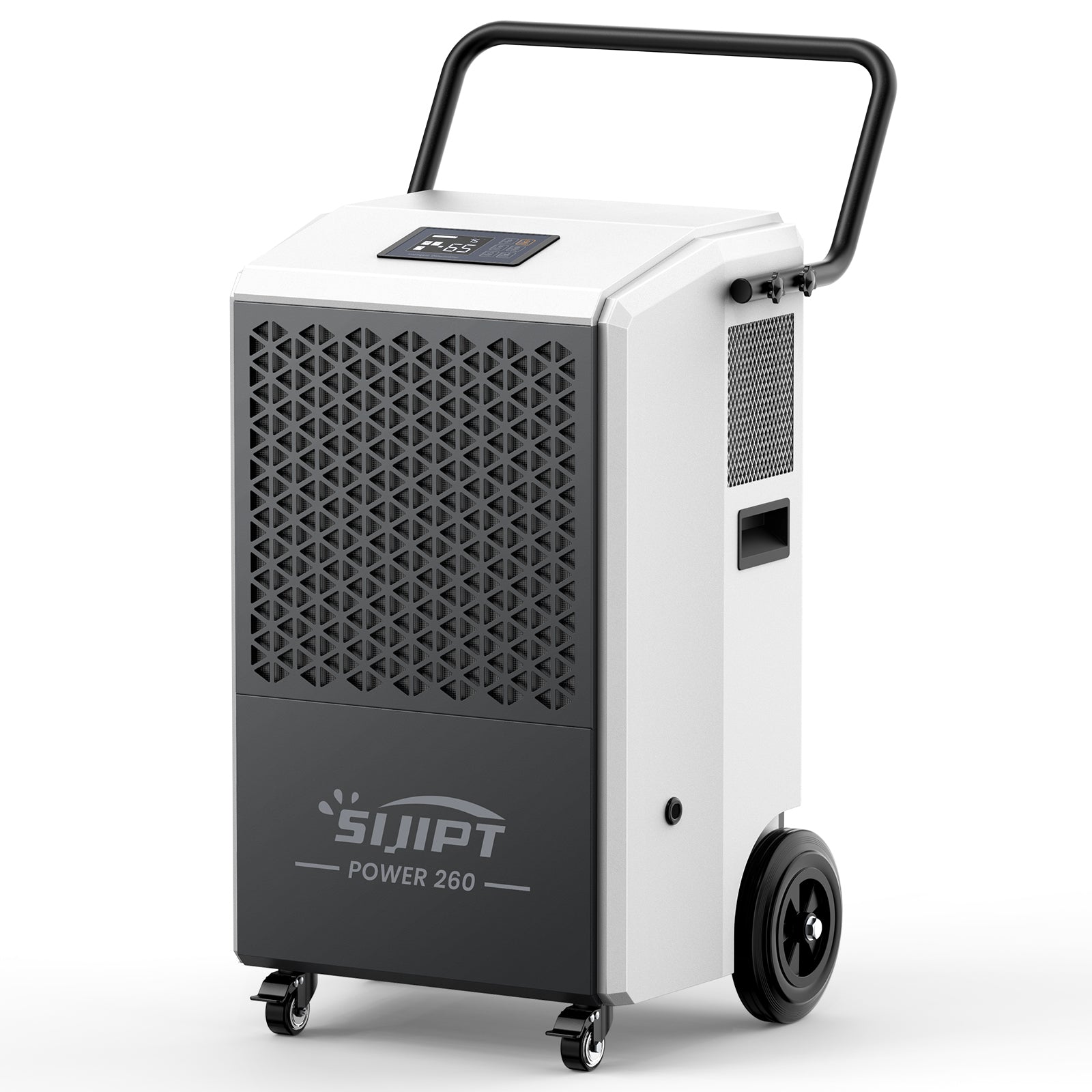
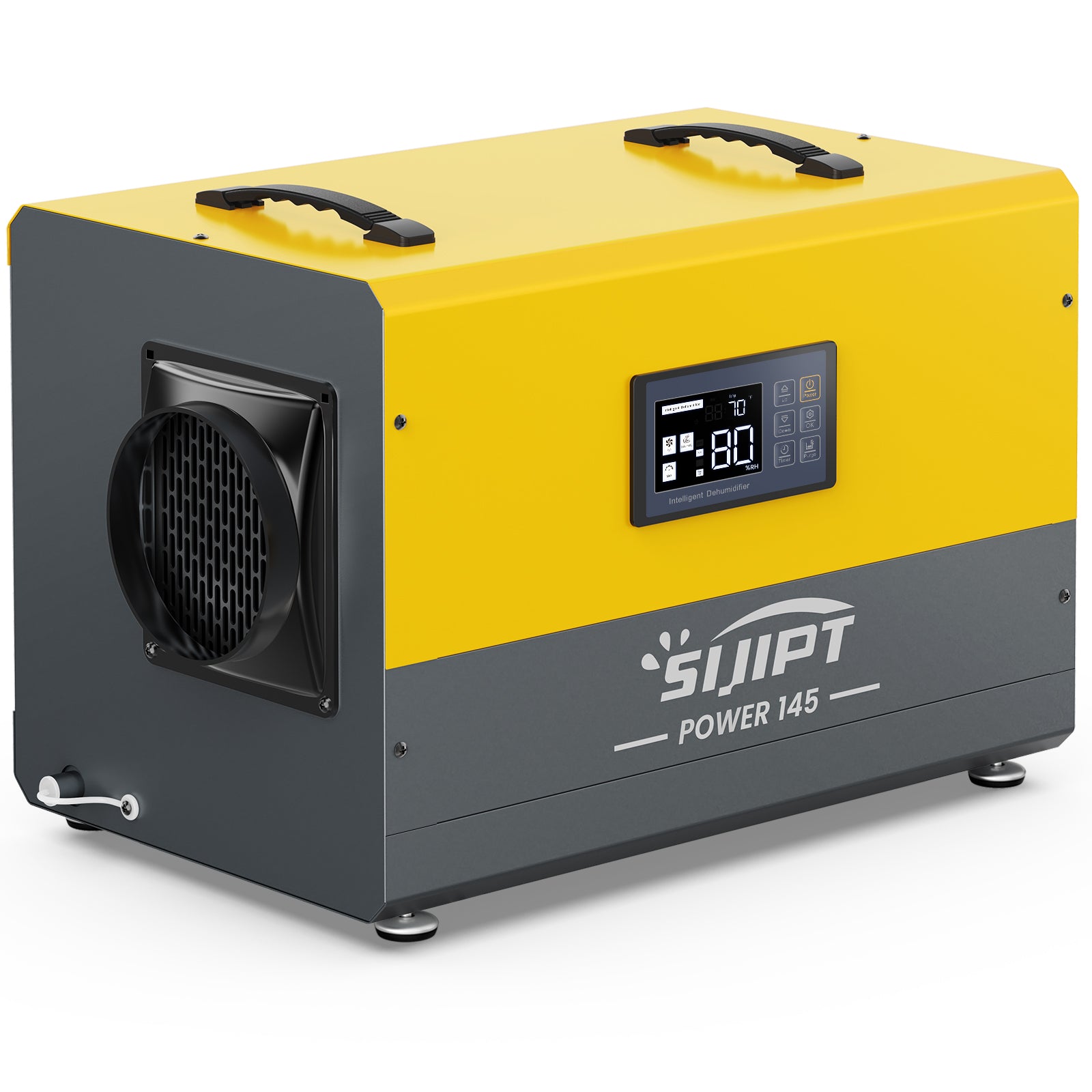
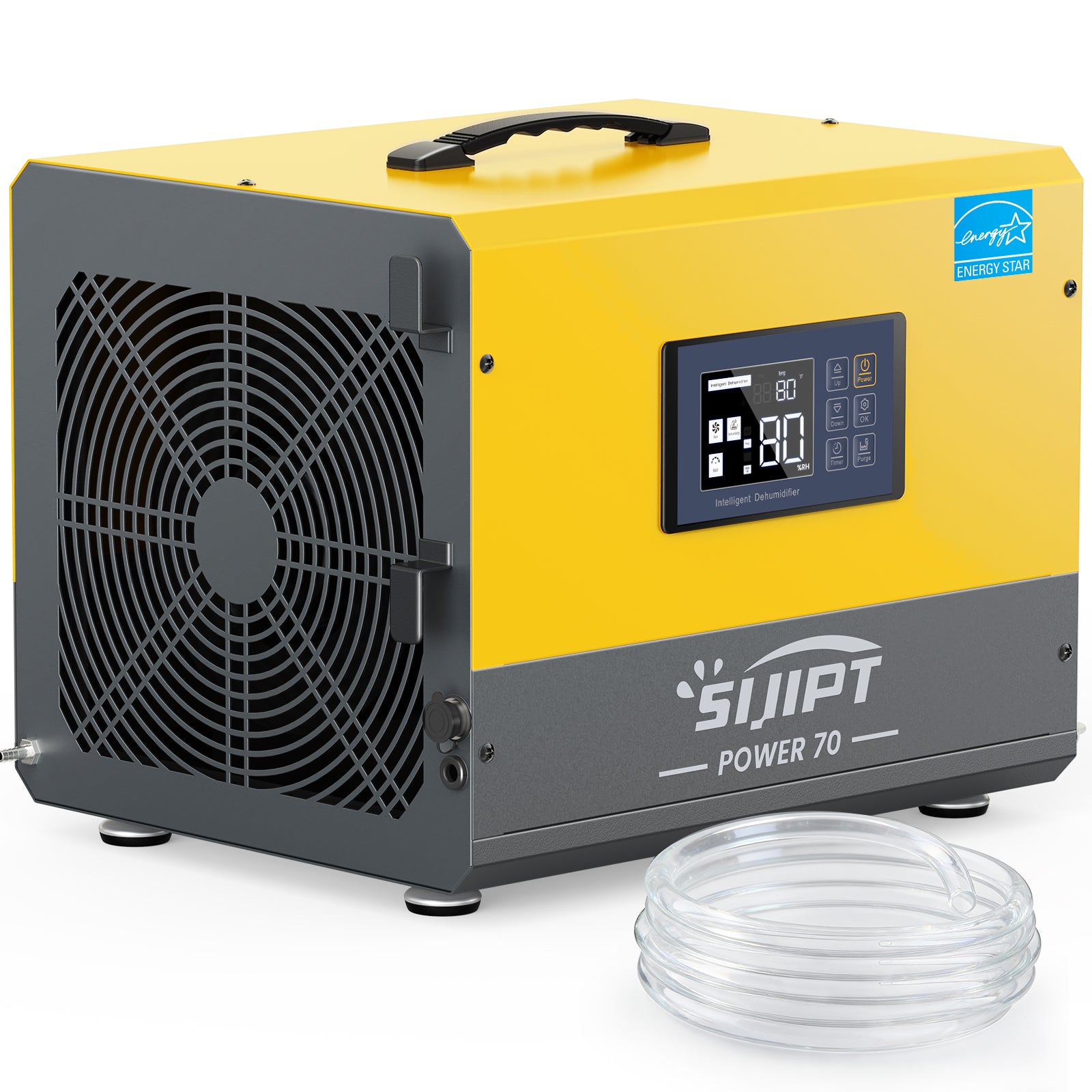
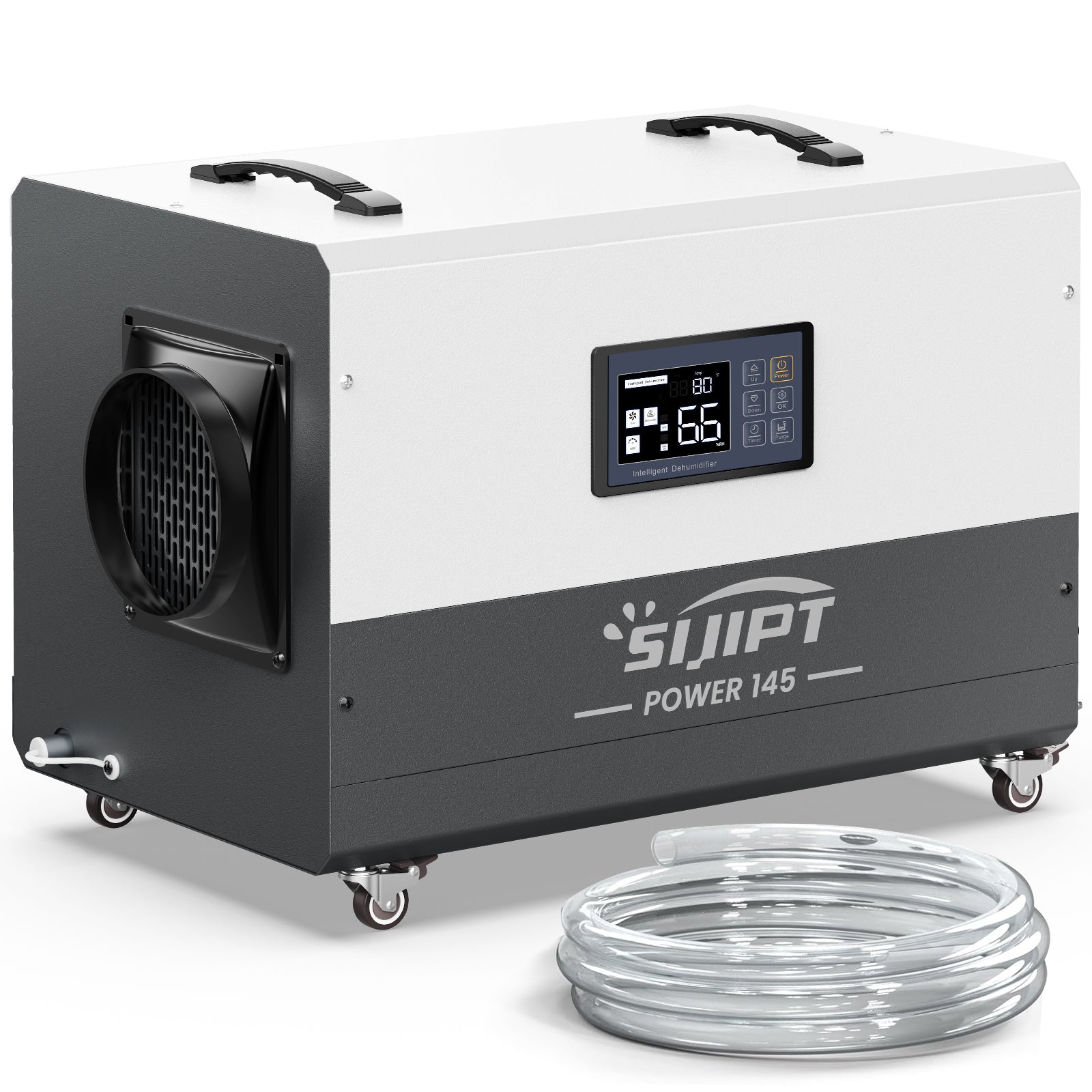
A compact crawl space dehumidifier is specifically designed for use in tight, confined areas as well as spaces that suffer from high humidity and moist air. Thanks to its smaller overall dimensions, sturdy build, and integrated carrying handle, the unit can be easily transported from one job site to another, or carried from a lower floor to an upper floor without much effort.
This type of dehumidifier is suitable for a variety of everyday and specialized situations, including:
- Crawl spaces and basements – These are areas where moisture and damp air tend to accumulate, often leading to corrosion, mold growth, and musty odors. The dehumidifier helps keep such environments dry and protected.
- Whole-house humidity support – When placed on the lower level of a home, this unit serves as an effective space dehumidifier, helping to preserve the structural integrity of the house while also enhancing overall indoor air quality throughout the building.
- Domestic living spaces – Bedrooms, bathrooms, kitchens, and utility rooms that often feel damp or smell musty can benefit greatly from consistent moisture removal.
- Commercial and industrial environments – In larger settings such as warehouses, offices, factories, and storage rooms, excess humidity can cause serious damage to goods, equipment, and materials. This dehumidifier offers a practical solution for such challenges.
- Mobile applications – Caravans, recreational vehicles (RVs), and other small or compact living spaces that require a portable device to effectively extract moisture from the air.
Certain Sijipt models are especially worth considering when you are looking for the best dehumidifier that works equally well in both crawl spaces and basements, as they manage to combine a space-saving, compact design with strong and reliable performance.
Does Sijipt Crawlspace Dehumidifier Make Loud Noise?
Most Sijipt dehumidifiers designed for crawl spaces produce a typical noise level in the range of about 50 to 60 decibels. When the unit is placed in a basement or a crawl space, it is hardly noticeable from the living areas located above, as the sound is effectively muffled by the flooring and distance.
If you are someone who is particularly sensitive to sound, it is recommended to install the unit away from bedrooms, quiet rest areas, or any space where you spend long periods relaxing. This helps minimize any potential disturbance.
To further reduce vibration-related noise, make sure the dehumidifier is positioned on a stable, level floor or on a dedicated anti-vibration pad. This simple step can noticeably lower the amount of low-frequency hum or rumbling that might otherwise travel through the building structure.
In the majority of homes, the sound produced by the dehumidifier tends to blend naturally into the normal background noise of the household—such as HVAC systems, fans, or everyday activity—and therefore does not interfere with or disrupt daily life.
How Does An Sijipt Dehumidifier work?
Most commercial-grade dehumidifiers operate on the same basic principles. A powerful fan draws moist, humid air into the unit through the air intake opening. Once inside, the air passes over a set of cold coils. As it makes contact with these chilled surfaces, the water vapor in the air condenses and turns into liquid water. After the moisture is removed, the unit releases slightly warmer and drier air back into the surrounding space, helping to maintain a comfortable and balanced humidity level.
The extracted water collects inside the dehumidifier, typically in an internal tank or a small tray. In models that are equipped with a built-in pump or a drain hose, the pump will automatically activate once the collected water reaches a predetermined height.
When activated, the pump pushes the water through the hose toward a suitable drainage point, such as a floor drain, a nearby sink, or even directly outside the building. For users who prefer not to rely on a pump, a gravity drainage system—often called a gravity drain—can also be used. This method works when the drain location is positioned lower than the dehumidifier unit itself. In such a setup, water flows naturally downward without the need for a pump, allowing for continuous, hands-free drainage and eliminating the chore of regularly emptying a collection bucket.
Do I need to clean crawl space dehumidifiers regularly?
Performing regular cleaning on your dehumidifier helps maintain its overall performance, energy efficiency, and long‑term build quality. In addition, routine maintenance reduces the likelihood of mold developing inside the unit and contributes to healthier, cleaner air quality in your home or workspace.
Basic care instructions:
Before you begin any cleaning tasks, always turn off the dehumidifier and unplug it from the power outlet. Remove the air filter and clean it thoroughly—this allows the unit to draw in an adequate amount of air for proper operation. Gently clean the coils, including any accessible corrosion‑resistant aluminum coils, using a soft brush or a vacuum cleaner with a brush attachment. This helps remove dust and debris that can accumulate over time.
Flush out the drain hose or pump line to clear any potential blockages, and check the floor drain to ensure it is not clogged. Finally, wipe down the exterior surfaces of the unit with a damp cloth, and inspect it for any loose parts, cracks, or other signs of damage that may need attention.
What Should I Do When the Dehumidifier Refuses To Work?
When your crawl space dehumidifier fails to start up or suddenly stops running in the middle of operation, you can try the following troubleshooting steps:
- Power supply and cables – First, verify that the unit is firmly and securely plugged into the outlet. It is also advisable to avoid using a light‑duty extension cord, as it may not provide sufficient or stable power to the dehumidifier.
- Settings and humidity levels – Double‑check the humidity setting on the device. Make sure the desired humidity level you have set is actually lower than the current humidity level in the room (the ambient relative humidity). If the set level is higher than or equal to the room's humidity, the dehumidifier will not turn on.
- Drainage system – Inspect the drain hose, gravity drain setup, or pump line for any signs of clogging or obstruction. If your model uses a pump, ensure that the pump is operating normally and is not stuck or blocked.
- Filter and airflow – Clean the air filter regularly. A dirty or clogged filter can seriously reduce airflow, which may lead to operational errors, reduced performance, or even frost and ice buildup on the cooling coils.
- Temperature conditions – Check that the ambient temperature in the crawl space or basement falls within the operating range specified for your particular model. If the space is too cold or too hot, the dehumidifier may not function correctly.
- Power outage recovery – In the event of a power outage, once the electricity is restored, try turning the unit off and then back on again manually. Many modern dehumidifier models come with an auto‑restart function or memory restart feature, which automatically restores the previous settings when power returns. However, a manual reset may still be helpful in some cases.
What Are the Humidity and Temperature Ranges for Whole-Basement Dehumidifier Dehumidification?
It is not possible to provide a single, systematic answer to this question, because the acceptable operating temperature and the dehumidification capacity vary from one machine to another. Each model may be designed to work under different environmental conditions.
Therefore, if you wish to know the specific dehumidification performance and the temperature range that a particular unit can handle, the best approach is to refer directly to the product detail page for that model. The manufacturer typically lists all relevant technical specifications there, including the recommended humidity settings and the minimum and maximum temperatures under which the dehumidifier can operate effectively.
Others
Can I use a portable dehumidifier instead of a crawl space unit?
A small portable dehumidifier may be helpful for managing humidity in a single room, such as a bedroom, bathroom, or home office. However, it is typically not sufficient for the demands of a crawl space. Crawl spaces present several unique challenges: they often have low ceilings that make access difficult, complex layouts with obstacles like ductwork and pipes, and a large volume of damp air distributed throughout the area beneath the house. Effectively drying such an environment requires a rugged, purpose‑built crawl space dehumidifier that delivers adequate airflow, durable build quality, and sufficient moisture removal capacity.
Specialized space dehumidifiers, produced by experienced dehumidifier manufacturers, are specifically engineered to handle these demanding conditions. They are constructed with robust components, corrosion‑resistant materials, and designs that allow them to operate reliably in tight, dusty, and humid spaces. As a result, choosing a dedicated crawl space dehumidifier is a safer and more reliable long‑term solution compared to using standard room dehumidifiers, which are likely to underperform, wear out prematurely, or fail altogether when placed in a crawl space environment.
What drainage options does a crawl space dehumidifier have?
Most dehumidifiers designed for crawl spaces and basements support one or more of the following drainage options:
Gravity drainage (also known as gravity drain) – In this setup, water flows downward through a hose by the force of gravity, typically directed to a floor drain or to a location outside the building. This method is simple, reliable, and low in cost, but it requires that the drain point be positioned at a lower elevation than the dehumidifier unit itself. If the unit sits above the drain, gravity can naturally carry the water away.
Built-in pump (or condensate pump) – With this option, the dehumidifier includes an internal pump that actively pushes water through a hose and upward if needed. This allows the water to be discharged into a sink, a higher drain, or even out of a basement window well.
The built‑in pump enables continuous, automatic drainage even in spaces where no floor drain is available or where the unit must be placed below the level of the nearest drain. This added flexibility makes it a popular choice for finished basements and crawl spaces with limited drainage infrastructure.
Do Crawlspace Dehumidifiers Need To Be Cleaned Regularly?
Yes, a dehumidifier used in a crawl space does require regular cleaning in order to maintain its optimal performance and extend its operational lifespan. Consistent cleaning helps prevent clogging, preserves energy efficiency, reduces the growth of mold and bacteria inside the unit, and ultimately prolongs the service life of the appliance. By keeping the dehumidifier clean, you ensure that it continues to control humidity levels effectively, while also minimizing the risk of mechanical failure or unexpected breakdowns.
In dusty environments or in settings where the dehumidifier is used heavily and frequently, it is generally recommended to clean the unit about once a month—though the exact frequency may depend on usage intensity and the specific conditions of the installation site. As part of your routine care, be sure to check and clean both the coils and the drainage system. Additionally, once a year, perform a deep cleaning of the entire unit, including its internal components.
Cleaning procedure:
1. Turn off and unplug the appliance – Always disconnect the dehumidifier from the power source before beginning any cleaning or maintenance work.
2. Clean the air filter – Remove the filter from the unit. If the filter is designed to be washable, rinse it thoroughly with warm water and a small amount of neutral soap. Allow the filter to dry completely before reinstalling it. If the filter is damaged or excessively dirty and cannot be cleaned effectively, replace it with a new one.
3. Inspect and clean the coils – Use a soft brush or a vacuum cleaner with a brush attachment to gently remove dust, dirt, and debris from the coils. Take care not to bend or damage the delicate fins.
4. Check the drainage system – Make sure the drain hose or pump line is free of clogs or obstructions. If necessary, flush the line with clean water to clear any buildup. If your unit includes a water catchment box (a collection tank or tray), clean it with soap and water to prevent mold growth and unpleasant odors.
5. Wipe down the exterior – Use a damp cloth to remove dust, dirt, and other residues from the outer surfaces of the dehumidifier. Avoid using harsh chemicals or abrasive cleaners.
6. Perform a thorough inspection – Carefully examine the unit for signs of wear, loose parts, or any damage. Address any issues you find promptly to prevent further problems and to keep the dehumidifier operating safely and efficiently.
How do I choose the best crawl space dehumidifier size?
To find the best crawl space dehumidifier for your home, you should begin by considering two key factors: the size of the area and how damp or humid it feels.
Start by measuring the square footage of the crawl space or basement, as well as the ceiling height. These measurements will help you estimate the total volume of air that the dehumidifier will need to handle. Keep in mind that a larger volume of air requires a more powerful unit to effectively remove moisture.
Next, assess the moisture level in the space. Take note of whether the area feels consistently damp, if there is any visible mold growth on surfaces, or if standing water is present. These signs indicate a higher level of humidity and may require a dehumidifier with greater moisture removal capacity.
Finally, match the pint capacity of the dehumidifier—referring to how many pints of water it can remove from the air per day—to both the size of the space and the severity of the moisture problem. A larger or more humid space will generally need a unit with a higher pint capacity to achieve and maintain a dry, healthy environment.
What humidity level should I set in my crawl space or basement?
Most experts recommend maintaining a relative humidity level of approximately 45–55% in a crawl space or basement. This target range is widely considered ideal because it helps prevent mold growth, dust mites, and other moisture-related health issues, while still avoiding air that feels excessively dry or uncomfortable.
To determine the current humidity level in your crawl space or basement, you can use a simple, affordable humidity meter—often called a hygrometer. This device gives you a clear reading so you know whether adjustments are needed.
Once you have measured the existing conditions, set your crawl space dehumidifier to maintain a steady humidity level within the recommended 45–55% range. For even better moisture control and overall effectiveness, consider combining the dehumidifier with a high‑quality vapor barrier installed across the ground surface. The vapor barrier helps prevent moisture from rising out of the soil, allowing the dehumidifier to work more efficiently and maintain consistent results.
Are crawl space dehumidifiers energy efficient? How much will they cost to run?
Many Sijipt dehumidifier models are designed with good energy efficiency in mind, and some of them even carry the Energy Star label—a widely recognized certification for energy-saving appliances. An energy-efficient dehumidifier removes moisture from the air while consuming less electricity, which helps lower your utility costs over time compared to less efficient models.
When shopping for a dehumidifier, look for the Energy Star certification on the product detail page. This label indicates that the unit meets strict energy efficiency guidelines set by environmental protection agencies.
It is also worth checking for additional features that contribute to reliable operation, such as an automatic defrost mode. This function allows the dehumidifier to continue working correctly even in cooler conditions by periodically melting any frost that builds up on the coils, preventing damage and performance loss.
High-quality internal components—such as corrosion-resistant aluminum coils—also play an important role in maintaining long-term performance. These coils are less likely to degrade over time when exposed to moisture and humidity, helping the unit last longer and operate consistently.
Keep in mind that the actual operating cost of a dehumidifier will depend on several factors, including your local electricity rate, the ambient temperature in the space, how damp the area is, and how many hours per day the unit must run to maintain the desired humidity level.
Finally, when selecting a dehumidifier, choosing one top-performing unit with the right capacity for your space is often a better long-term investment than buying several smaller units from different manufacturers. A single well-matched, high-quality unit typically handles the job more efficiently and reliably than multiple undersized units working separately.
Can a crawl space dehumidifier work with my HVAC system?
Yes, many homeowners choose to use a crawl space dehumidifier in conjunction with their existing HVAC system. The HVAC system is primarily responsible for regulating indoor temperature, while the dehumidifier focuses specifically on controlling humidity levels and preventing mold growth in the crawl space and basement areas.
When used together, this combination helps effectively manage moisture beneath the floor, which in turn contributes to better overall air quality throughout the entire house. By reducing excess humidity at its source—the crawl space—you can also lessen the workload on your HVAC system.
In cooler climates, it is advisable to select a dehumidifier equipped with an automatic defrost mode. This feature helps reduce frost buildup on the unit's coils during lower temperatures, ensuring that the dehumidifier continues to operate steadily and efficiently without frequent interruptions.
Adopting this combined approach offers multiple long-term benefits: it helps protect the structural integrity of your home by preventing moisture-related damage, maintains a more comfortable living environment, and can extend the operational lifespan of both your HVAC system and your crawl space dehumidifier.