

Every morning starts the same way.
You wake up with itchy eyes, a stuffy nose, or nonstop sneezing, even though you don’t have childhood asthma. And surprisingly, your home looks perfectly clean too.
So, where is the problem coming from? After all, you wash the sheets regularly, vacuum the floors, and light your air freshener regularly.
And yet, the allergies won’t back down.
Well, if you’re going through this, the issue may not be dust alone but the moisture trapped in your indoor air.
Because honestly, high humidity quietly creates that “ideal” breeding ground for dust mites, mold, and mildew… all of which trigger serious allergy symptoms sometimes.
And that’s where many homeowners start asking queries like, “Does a dehumidifier help with allergies?" "Should we really trust it in the long run?"
In short, yes! A dehumidifier significantly helps reduce allergy symptoms, as it removes excess moisture from the air to create a healthier indoor environment.
Here’s more about it.
So, Does a Dehumidifier Help with Allergies or Not?
Of course, it does!
A dehumidifier can help you recover from an allergy, making a noticeable difference within a few days.
Because:
• The survival of mold and dust mites is dependent upon the moisture level in the air.
• High humidity leads to a musty smell and dampness in the air, which creates an unpleasant smell and feel.
A dehumidifier basically extracts all the moisture from the air, reducing the humidity level from 30% to 45%.
As a result, mites and harmful allergens are killed, leaving your walls, ceilings, and other surfaces clean and healthy.
While a dehumidifier is not a direct cure for allergies, it is definitely an efficient tool that reduces the exposure at the source.
Dehumidifiers Help to Fight Back Against Allergies. Here’s How!

By removing excess moisture from the air, a reliable dehumidifier can decrease indoor allergens to make your space far more comfortable to breathe.
Let’s explore how it helps, so you can decide whether to add it to your allergy-relief routine or not:
1. Reduce Dust Mite Growth
According to the American Lung Association, the inhalation of microscopic proteins caused by dust mites is one of the leading causes of asthma attacks.
Not only that, but it can form many other types of allergies, too.
Such mites thrive in humidity levels above 50 to 60 percent and can produce around 2000 waste particles within a lifespan of 10 weeks.
But when you start using a dehumidifier, things change.
Because this portable yet effective machine immediately creates a dust-free and dry environment, which makes dust mites’ survival almost impossible.
2. Controls Mold and Fungus
Mold is another big allergy trigger that grows in areas with high moisture, like bathrooms, basements, and crawl spaces.
In fact, the Environmental Protection Agency (EPA) also confirms that mold growth is highly related to moisture.
And guess what? It can start building within 24 to 48 hours of an increase in the moisture level.
A dehumidifier helps by reducing that moisture to control fungus and stubborn mold problems on the go.
3. Improves Indoor Air Quality
Several studies, including research from the Lancet Global Health, suggest that indoor air pollution traps more airborne particles compared to outdoors.
Shocking, right?
And you know what’s the reason behind it? Nothing other than excessive air moisture and poorly controlled ventilation.
When something like this happens, it becomes mandatory to opt for a humidity-controller product to:
• Eliminate pollutants from indoors
• And ultimately help with allergies
4. Reduces Indoor Pollen Stickiness
When humidity is high, it’s no surprise that pollen can enter your house and stick to surfaces like carpets, curtains, and furniture.
That way, the allergens stay super active in your breathing air for so long without even making you realize it.
The solution? By lowering the humidity through a dehumidifier, you can automatically eliminate the ability of pollen to settle down there.
5. Minimizes Musty Odors and Irritation
Have you ever walked into an old house and suddenly that strong smell got to you?
In just nanoseconds, it can cause sneezing, especially for people with asthma. And for some, the situation even becomes unbearable to handle.
The smell is actually caused by excess moisture and microgrowth that haven't been fixed or cared for for a long time.
Therefore, if you wish to keep your environment fresher, healthier, and cleaner, and most importantly, minimize the musty odors, you have to choose a dehumidifier.
6. Support Better Breathing Conditions
Humidity feels OKAY until it starts to take away your breathing comfort.
This is something serious to be fixed as it can cause nighttime congestion and sinus problems, particularly for allergy sufferers.
Health-conscious people constantly rely on dehumidifiers because they know how minor issues can lead to long-term issues when neglected.
Though it is not a replacement for medical treatment, the device can make a significant difference and support comfortable living to a great extent.
How to Buy a Dehumidifier for Allergies: 5 Quick Tips
People must be mindful when making any purchase that affects their health either way. Here’s how you can make a selection of an appropriate device for yourself:
• Select a unit based on room size (small, medium, or whole house capacity).
• Seek models with adjustment options (usually in the 40-50 range).
• Prioritize energy-efficient models to reduce long-term costs.
• Always check and ensure that the filters are easy to clean to trap allergens.
Consider models with continuous drainage, which provide convenience in humid areas.
Tired of Humidity Returning? Here’s the Fix!
Allergies caused by humid conditions are truly a struggle to deal with, as, with time, they can even disrupt your sleeping routine and overall lifestyle.
In situations like these, there’s no room to be neglectful. Because in the end, health comes first.
But if you’ve tried everything and humidity still won’t stop returning, it’s a sign you need to opt for a more permanent solution.
At SIJIPT, our aim is exactly to help people in trouble (like you) to maintain stable indoor moisture by eliminating dust mites and other allergens from your breathing air.
Our top products that work especially for these conditions are:
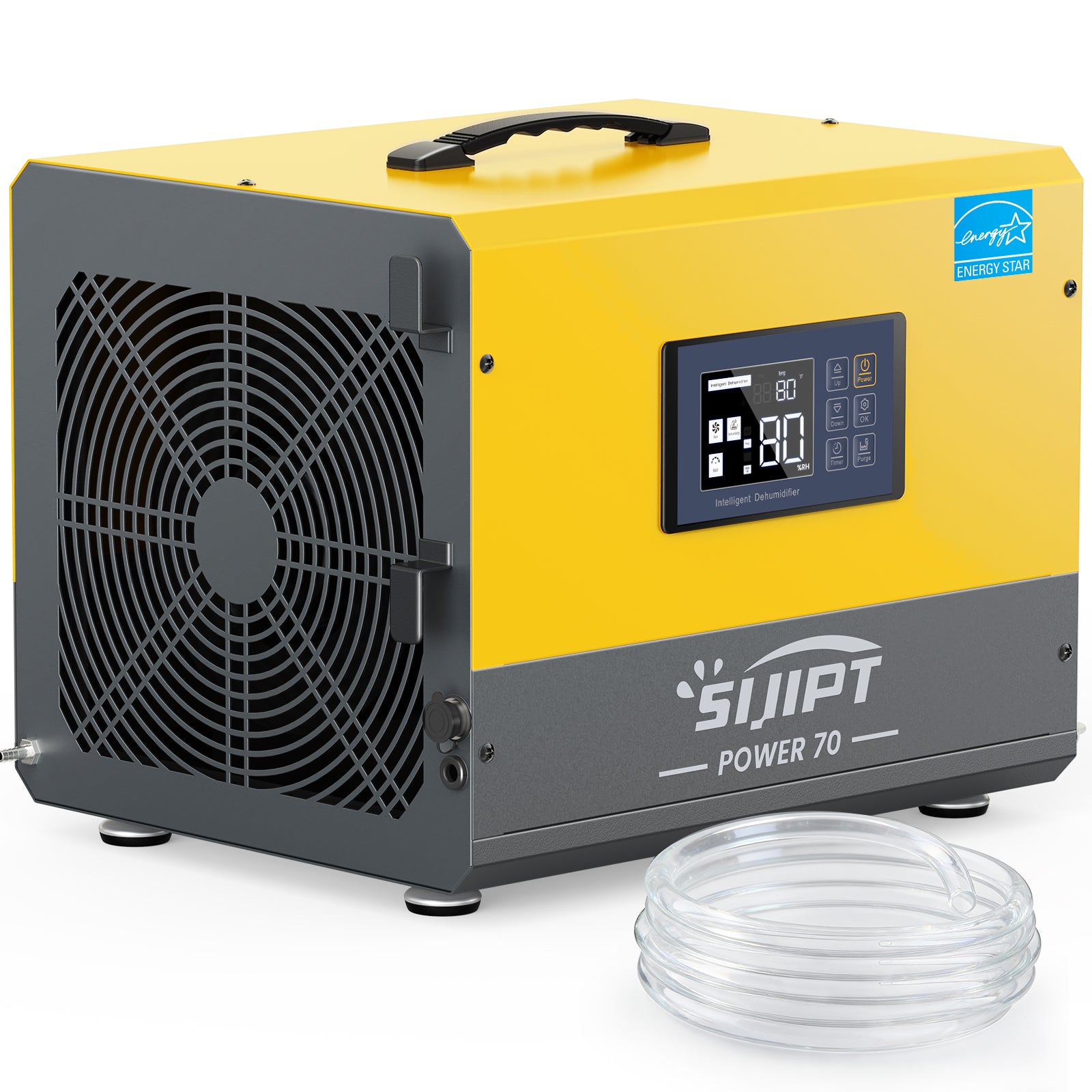
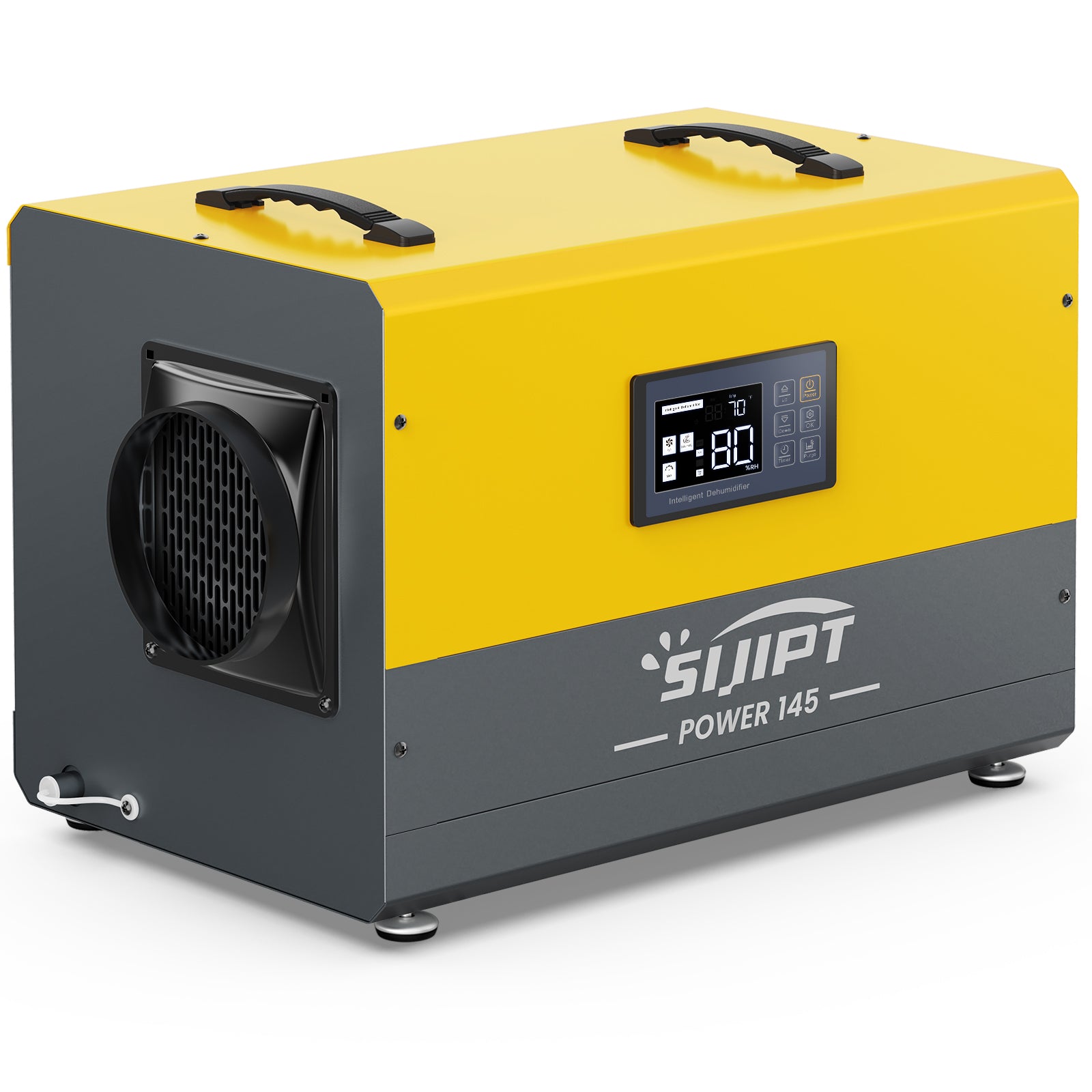
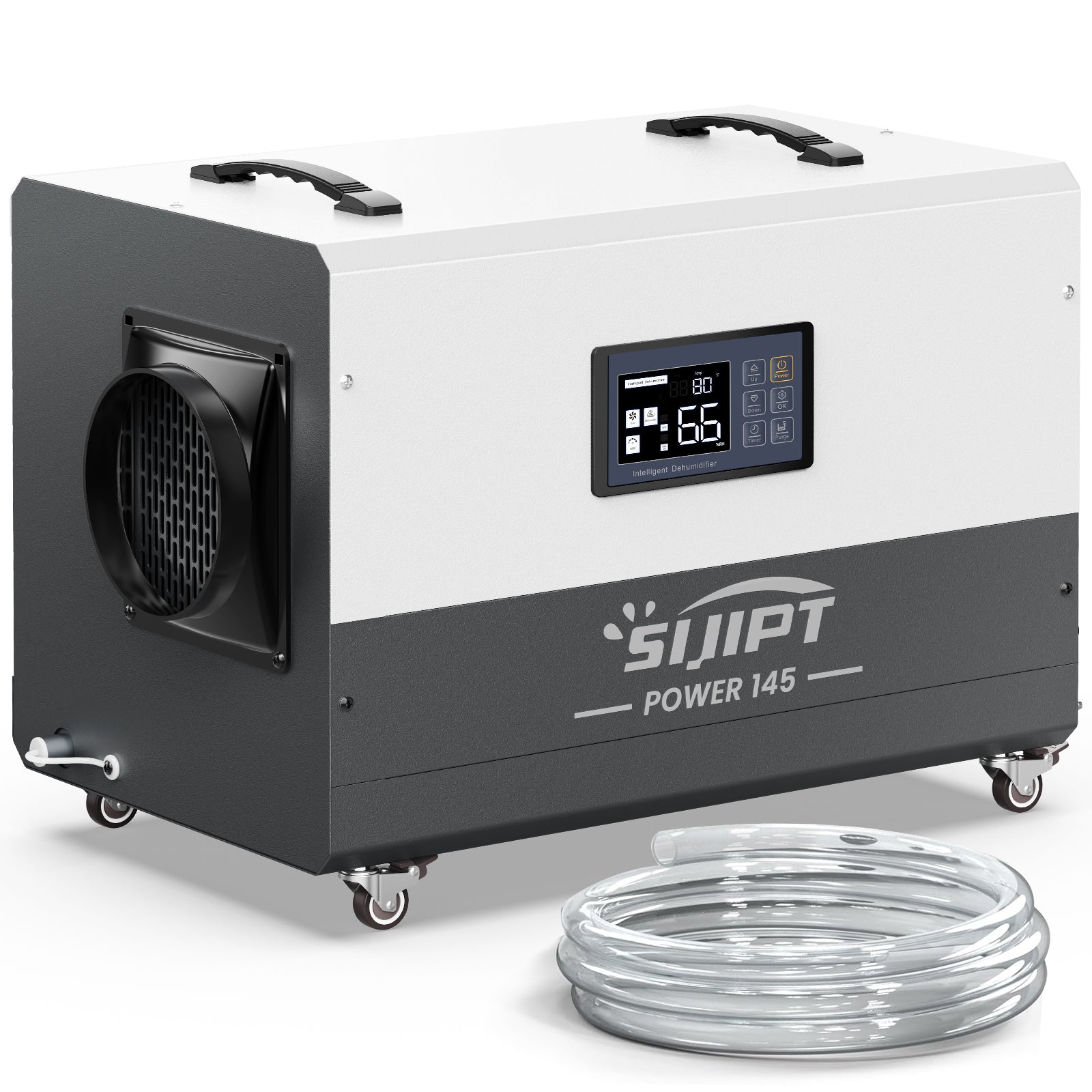
Best Dehumidifier for Basement with Pump & Drain Hose - 145 Pints
Commercial Dehumidifier with Pump and Swivel Caster - 145 Pint
Crawl Space Dehumidifier with Energy Star & Pump & Drain Hose
Crawlspace dehumidifier with Pump-70 Pints-Energy Star
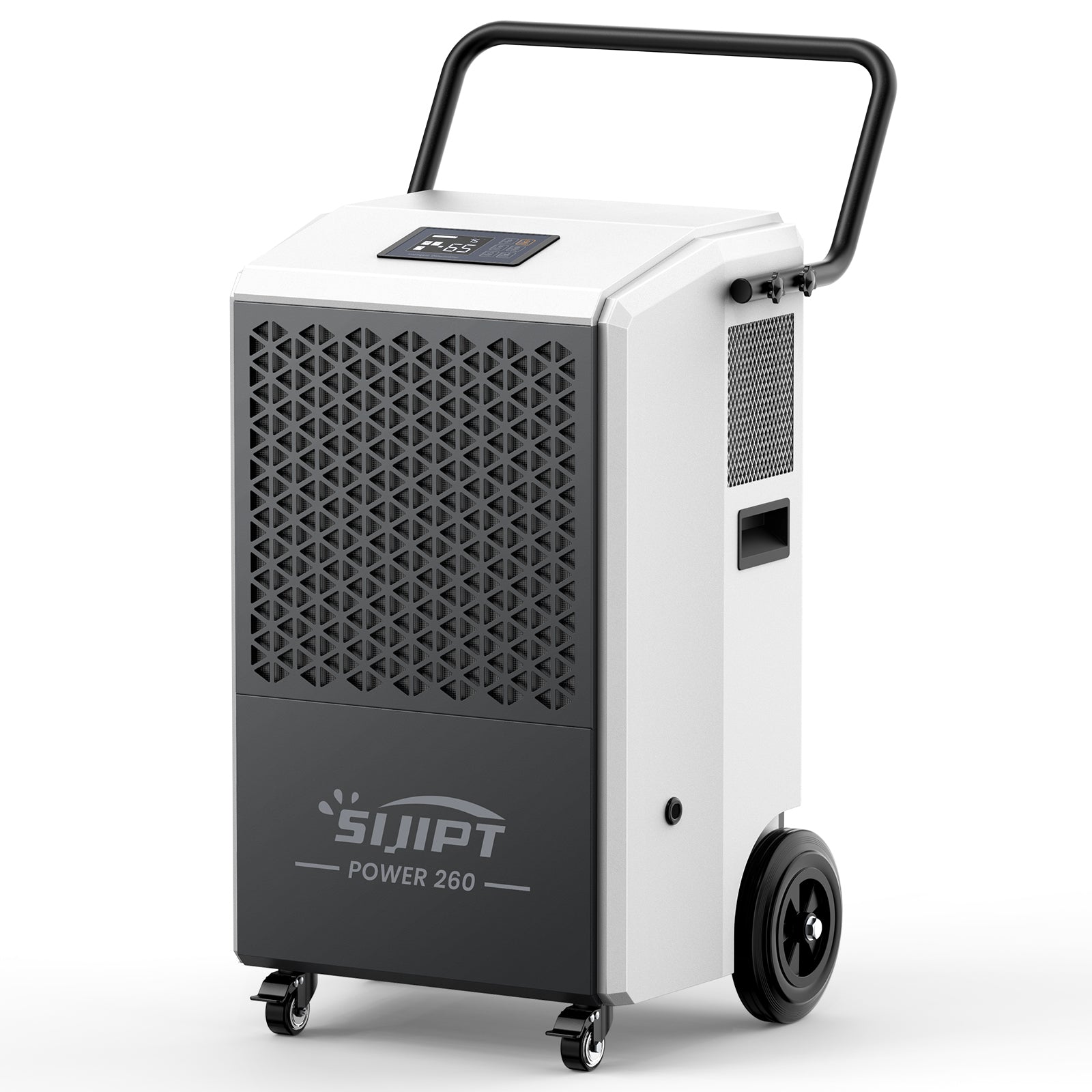
Dehumidifier with Pump for Flood Restoration 260 Pints
Whole House Dehumidifier with Pump-80 Pints-Energy Star
Whole Home Dehumidifier-App Controlled-100 Pints
All of these work best to extract the moisture from the environment—eventually promoting light and clean air in humid areas, whether a bedroom, a basement, or a living space.
So why still confused? Go ahead, get a product that matches your needs, and say bye-bye to your allergies!
FAQs
Q1. Can a dehumidifier help with pet allergies, too?
A dehumidifier does not remove pet hair or dander itself. However, it helps to reduce moisture that allows allergens to stay in the air and on the surface of your furniture, which eventually cleanses your surroundings from pet-related allergens and germs.
Q2. Is it safe to run a dehumidifier all night?
Of course! Modern devices are specially designed to feature automatic shut-offs or continuous operations. That means there’s no harm in letting them run all night long for better sleep and comfort.
Q3. How long does it take to notice allergy relief from a dehumidifier?
Well, there is no specific time frame for that. Some people might notice improvement within a few days, while larger moisture problems or mold-related allergies can take several weeks to improve.

